Pest Control Services That Fit Every Budget and Property Size

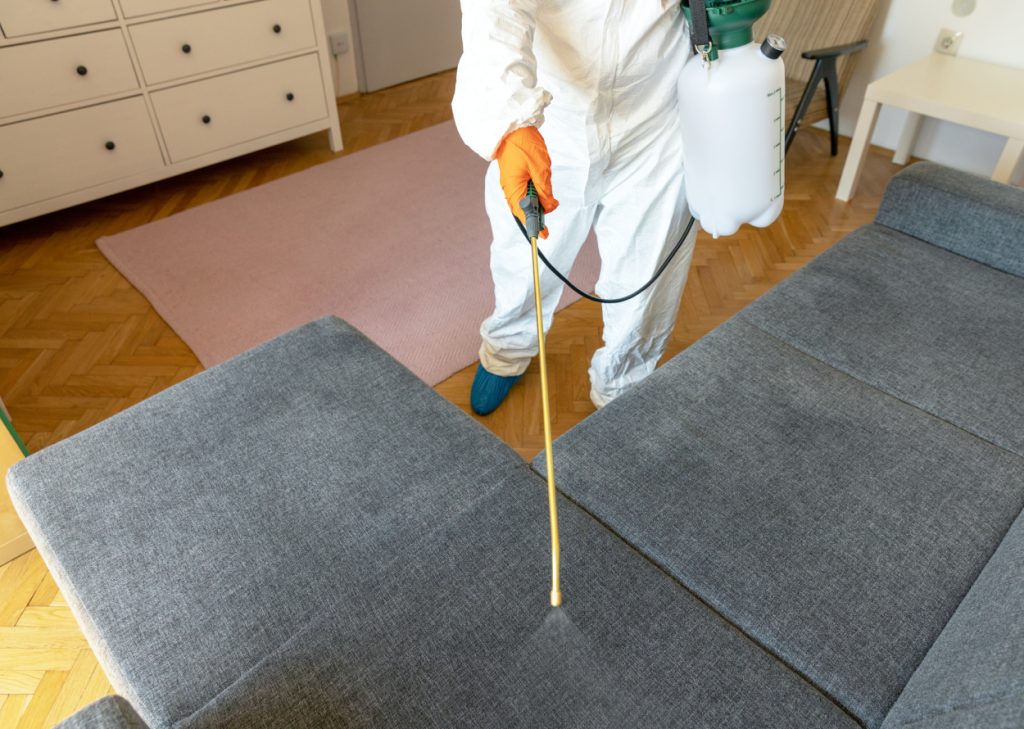

Pest problems do not care whether a property is a compact studio apartment, a suburban family home, a corner restaurant, or a warehouse with three loading bays. Mice can squeeze through a gap the width of a finger. Roaches thrive behind a refrigerator in a small rental just as easily as they do in a sprawling commercial kitchen. Termites will quietly work through a porch beam whether the house is 900 square feet or 4,000.
What changes from property to property is not the risk, but the right response. The best Pest Control Services are not the most expensive, the most aggressive, or the ones with the longest menu of treatments. They are the ones that match the problem, the structure, and the budget without wasting money on work that does not need to be done.
That sounds obvious, but many property owners have been sold either too little service or far too much. I have seen homeowners spend hundreds on broad monthly treatments when all they really needed was exclusion work, sanitation improvements, and a targeted follow-up. I have also seen people try to save money with hardware store sprays while rodents kept breeding in attic insulation and roaches kept nesting inside wall voids. Cheap becomes expensive very quickly when the original issue is left alive.
The practical question is not whether pest control is worth paying for. It is how to choose a service plan that makes sense for your space and your finances.
Why price varies so much from one property to another
A pest control quote can feel confusing because two homes on the same street may get very different recommendations. That is usually not a sales trick. Property size matters, but it is only one variable.
The species makes a major difference. Ant control is usually simpler and less labor-intensive than termite treatment. Fleas may require careful interior work plus pet coordination. Bed bugs are notoriously time-consuming because the technician has to inspect seams, cracks, furniture joints, and adjacent rooms. Rodent control often includes both trapping and exclusion, which means the company is not just treating pests, it is physically sealing access points.
The layout matters too. A single-story ranch with easy perimeter access is faster to inspect and service than a narrow townhouse with a crawlspace, shared walls, and an inaccessible attic knee wall. A restaurant with regular deliveries and floor drains presents different pressure than a home office with no food storage. Moisture, clutter, landscaping, pet feeding habits, and nearby construction all influence the plan.
Then there is the stage of the infestation. A light seasonal ant issue around windows is one kind of job. A long-established cockroach population spread through cabinets, appliances, and utility penetrations is another. People often underestimate this part because early signs seem small. One mouse sighting at night can mean several more are active behind walls. A few termite swarmers in spring may point to a colony that has been feeding for years.
This is why reputable Pest Control Services tend to start with inspection and questions rather than jumping straight to treatment. The goal should be to define the problem accurately, not to apply the same package to every address.
Small properties can benefit from precise, lower-cost service
Smaller homes, condos, and apartments often do not need elaborate service plans. In fact, precision usually works better than volume.
A one-bedroom apartment with occasional German roaches near the kitchen may respond well to a focused combination of gel bait, crack-and-crevice treatment, sanitation guidance, and a follow-up visit. A large general spray in every room may cost more while doing less. Roaches spend most of their time in hidden harborage areas close to heat, moisture, and food. If treatment misses those zones, the square footage covered does not matter much.
The same principle applies to ant issues. If a technician can identify the ant species, find the trail pattern, and locate likely entry points, treatment can often be kept targeted and efficient. Residents pay for knowledge and placement, not just product.
With small properties, another cost factor is access. When technicians can inspect all key areas quickly and safely, labor goes down. That often makes service more affordable. A tidy condo with exposed utility areas and easy perimeter access is simpler to handle than a larger home packed with storage where baseboards, sink cabinets, and attic entry points are blocked.
Renters also need to think differently about budget. Sometimes the most cost-effective move is not booking independent service right away. In multi-unit buildings, especially with roaches, bed bugs, and rodents, the source may be in adjacent units or common areas. If building management is responsible for coordinated treatment, a tenant paying for isolated service in one unit may only get temporary relief. A candid inspection can help clarify whether private treatment makes sense or whether pressure should be put on management to act building-wide.
Larger homes need strategy, not just more visits
Bigger properties naturally require more time and more material, but the cost should still follow a strategy. Square footage alone does not justify every upgrade.
A large home with no active infestation may only need preventive exterior service and occasional monitoring, especially if it has been well sealed and maintained. Another large home of similar size may need extensive rodent work because of roofline gaps, dense landscaping, and stored pet food in the garage. The invoice can look dramatically different because the risk profile is different.
In larger homes, one of the most common mistakes is underestimating hidden zones. Bonus rooms over garages, finished basements, attic voids, and long utility runs create pest travel corridors that owners rarely inspect. Mice love these areas because they offer warmth, shelter, and low disturbance. Spiders and occasional invaders like centipedes often follow the insect activity there. A good technician does not simply cover the visible living space. They think about where pests are moving when no one is watching.
That said, not every large property needs interior treatment on every visit. Many companies can build programs that focus on the perimeter, foundation, garage, eaves, and other exterior pressure points while reserving indoor treatment for active issues. This can lower recurring costs while still maintaining protection.
For budget-conscious owners of larger homes, the most valuable spending is often exclusion and habitat correction. Sealing gaps at garage corners, repairing torn vent screens, trimming shrubbery off siding, improving drainage, and reducing harborage around stacked wood can cut future service needs substantially. It is less glamorous than a spray schedule, but it pays off.
The difference between one-time service and ongoing plans
Property owners often ask whether they really need a recurring contract. The answer depends on what they are dealing with and how much risk they can tolerate.
One-time service works best for isolated or predictable issues. A wasp nest under an eave, a localized ant trail after heavy rain, or a small cluster of pantry pests can often be handled without an ongoing plan. The key is that the pest source is limited and the environment does not constantly invite reinfestation.
Recurring service makes more sense when pressure is persistent. Homes in warm, humid areas often see year-round activity from ants, roaches, spiders, and occasional invaders. Properties near woods, water, dumpsters, or food service operations usually face higher pressure. Commercial sites, especially those subject to health inspections, rarely benefit from a reactive approach. Waiting until staff or customers notice pests is not much of a plan.
The budget conversation is usually easier when owners compare annual costs, not just per-visit prices. Four reasonably priced preventive visits over a year may cost less than repeated emergency calls for ants in spring, wasps in summer, rodents in fall, and roaches in winter. The cheaper option on paper is not always the cheaper option in practice.
A smart company should be able to explain what a recurring plan is intended to prevent, what is included, and what would trigger additional charges. If that explanation is vague, keep asking questions.
Where low-cost pest control works, and where it tends to fail
There is nothing wrong with wanting affordable service. The problem comes when low price is achieved by stripping out the parts that actually solve the issue.
Budget-friendly service can work well when the pest pressure is moderate, the property is accessible, and the technician is using targeted methods. Exterior barrier treatments for common crawling insects, monitoring for seasonal invaders, and basic follow-up for manageable ant or spider activity are often straightforward and economical.
Lower-cost service tends to fail in more technical infestations. Bed bugs, termites, established rodent populations, wildlife entry issues, and severe cockroach activity usually need more labor, more expertise, and more follow-through than bargain offers allow. This is where people get burned by teaser pricing. A company advertises a low special, performs a quick treatment, and the pests return because no meaningful inspection, exclusion, or follow-up was built into the job.
One homeowner I spoke with had taken the cheapest rodent service available after hearing scratching in the attic. The company dropped a few bait stations and left. Two months later, the scratching was louder, droppings had appeared in the pantry, and the actual entry gap near the roof return had never been addressed. The second company charged more, but they mapped activity, trapped interior hotspots, sealed the primary access points, and scheduled follow-up checks. The higher bid ended up being the lower total cost.
Good value is not the same thing as low price. Good value means the scope is right.
Matching service to the type of property
Different buildings call for different priorities, and budget should be built around those priorities.
Single-family homes usually need a balance of prevention and repair. Exterior treatment, entry-point sealing, moisture management, and periodic inspections go a long way. If the house has children, pets, or frequent guests, owners may prefer lower-impact methods such as baits, monitoring, and exclusion before broad applications are considered.
Apartments and condos require attention to shared walls, plumbing penetrations, trash handling, and cooperation between units. For these properties, a technician's ability to identify building-wide patterns is just as important as their treatment method. An individual resident may only control part of the problem.
Commercial offices often focus on discretion and prevention. The goal is to stop occasional invaders, rodents, and pantry pests without disrupting business hours or creating complaints. Restaurants, grocery stores, and food processing spaces require tighter protocols, more documentation, and more frequent monitoring because the tolerance for pest activity is essentially zero.
Warehouses and industrial facilities bring another challenge: scale with inconsistent occupancy. Large open areas may not need constant treatment everywhere, but dock doors, employee break areas, trash zones, and storage transitions need close attention. Birds and rodents are common issues because these sites combine shelter with repeated points of entry.
Questions worth asking before you agree to service
A good estimate should leave you with fewer doubts, not more. Before signing, it helps to pin down a few practical details.
- What pest is being treated, and how confident are you in that identification?
- What is included in the quoted price, inspection, treatment, follow-up, and warranty?
- Are there conditions that would raise the cost later, such as extra visits or exclusion work?
- Will the plan focus on prevention, active infestation control, or both?
- What preparation, if any, is expected from the property owner or tenant?
Those questions do more than protect your budget. They reveal how a company thinks. Experienced professionals are usually comfortable talking through limitations, likely outcomes, and what may take time. If someone promises instant elimination of a difficult infestation with no caveats, that is usually a sign to be careful.
The hidden budget saver: exclusion and maintenance
People often think of pest control as a treatment service only. In reality, some of the best money spent in this field goes toward making a building less attractive and less accessible to pests in the first place.
Rodents are a perfect example. Poison and traps can reduce an active population, but if a structure still offers easy entry, the pressure returns. Exclusion work can include sealing utility gaps, screening vents, https://www.podbean.com/user-XMYdeKHaNu5K adding door sweeps, repairing soffits, and closing foundation voids. The upfront cost may feel less exciting than a quick treatment, but it often reduces recurring service over the next few years.
The same logic applies to insects. Correcting leaky hose bibs, improving crawlspace ventilation, replacing rotten trim, and cleaning organic buildup from around the foundation can lower pest pressure in a way no spray alone can match. Many ant, roach, and occasional invader issues are tied to moisture and shelter. Remove those conditions, and the service plan often becomes smaller and cheaper.
Owners of rental properties should take this especially seriously. Spending modestly on maintenance between tenants can prevent much larger pest bills later. Caulking plumbing penetrations, repairing torn window screens, addressing water damage under sinks, and clearing abandoned food debris from units are not glamorous tasks, but they are excellent pest prevention.
When a premium service is actually justified
Not every property should chase the cheapest acceptable option. Some situations justify paying more because the risk of getting it wrong is higher.
Termites are one of those situations. A proper inspection, accurate species assessment, and suitable treatment recommendation matter because the potential structural cost of delay is enormous. The same goes for bed bugs in a multi-unit setting, where incomplete treatment can spread the problem and multiply expenses.
Businesses with compliance concerns also need reliability over bargain pricing. A restaurant that fails an inspection, loses customer trust, or has to shut down a prep area because of pest evidence pays far more than the difference between cheap and thorough service. In those settings, documentation, scheduled monitoring, and fast callback response are worth paying for.
Some properties also warrant premium service because of vulnerability. Homes with elderly residents, immunocompromised occupants, infants, or severe allergy concerns may prefer companies that can offer highly tailored plans, careful product selection, and more time spent on communication and nonchemical controls. That kind of service has value beyond the line-item price.
Signs that a proposal fits your budget and your property
The best quotes tend to have a certain realism to them. They are specific about the target pest, honest about what can and cannot be achieved quickly, and clear about whether the service is reactive, preventive, or corrective. They do not rely on fear. They rely on fit.
You can usually tell when a proposal has been built for your property rather than copied from a standard script. The technician mentions the exact conditions they observed, such as a gap under the side garage door, moisture around an HVAC line, or droppings concentrated near a water heater closet. They explain why those details matter and how the treatment plan addresses them.
You should also see some proportionality. A mild exterior ant issue should not automatically trigger the same annual package recommended for a property with repeated rodent entry and heavy seasonal insect pressure. Likewise, a serious infestation should not be treated with a bare-minimum visit and a hope that it settles down on its own.
The right Pest Control Services feel measured. They solve the actual problem, not a generic version of it.
A practical way to decide
If you are comparing estimates, think in terms of outcomes over twelve months rather than the immediate invoice. Ask yourself what you are really buying: a single treatment, a season of prevention, a structural correction, peace of mind for tenants, or protection for a business reputation.
It often helps to sort services into three broad categories in your own mind. Some are basic and appropriate for low-level, occasional problems. Some are preventive and designed to keep predictable pressure under control. Some are corrective and intensive because the issue is already established. Trouble starts when people buy a basic service for a corrective problem or pay corrective-level prices for a minor nuisance.
A well-matched plan does not need to be extravagant. Many effective pest programs are surprisingly modest because they focus on the right pressure points, use follow-up wisely, and include practical maintenance advice. That is what property owners should aim for, whether they manage a studio apartment, a family home, or a large commercial site.
Budget matters. So does square footage. But the best value in pest control usually comes from something less obvious: accurate diagnosis, a tailored scope of work, and a technician who knows the difference between activity that is annoying and activity that is truly costly if ignored. When those pieces are in place, pest control becomes easier to afford because the money is being spent where it actually counts.
Affordable Pest Solutions LLC
Phone number: +19732299547
FAQ About Pest Control Services
How much does pest control charge?
For a standard 1,500-square-foot home, professional pest control charges generally average $100 to $300 for an initial visit, with ongoing monthly services running $40 to $75 per visit and one-time emergency exterminations costing $100 to $600, depending heavily on the specific pest and the severity of the infestation.
What is the hardest pest to get rid of?
Bed bugs are widely considered the hardest household pest to get rid of, closely followed by German cockroaches and subterranean termites.
What is included in a pest control service?
A standard pest control service includes a property inspection, targeted treatments, and prevention advice. It typically covers common pests like ants, spiders, and cockroaches, using sprays, baits, or traps.