Pest Control Services for Homes With Children, Pets, and Gardens
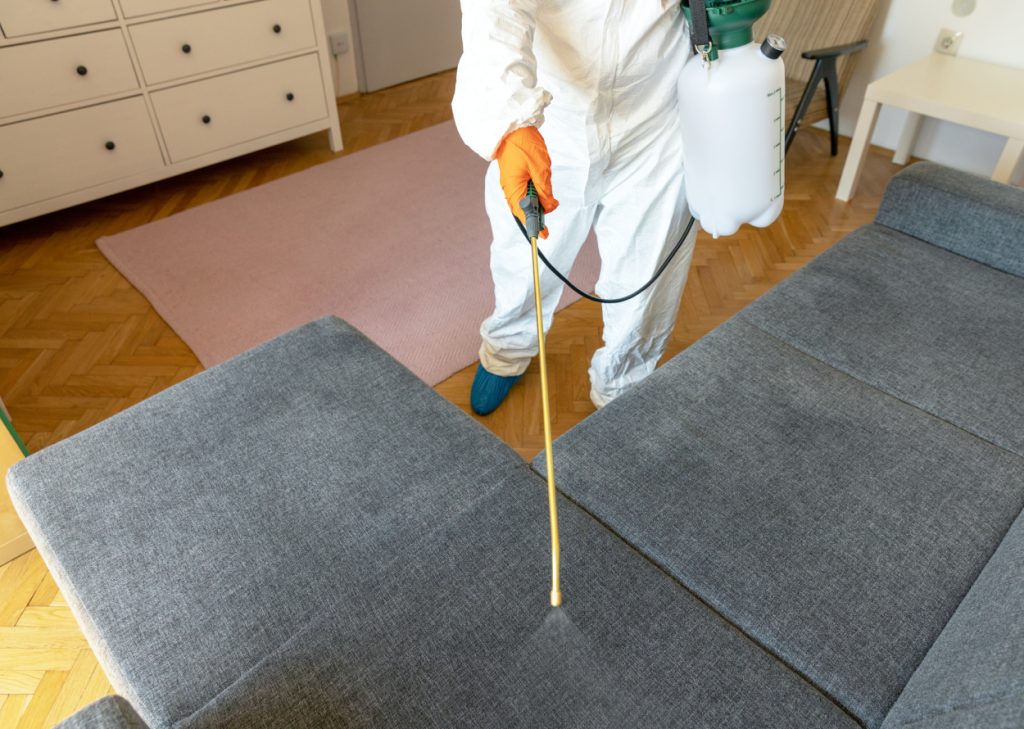
A home with small children, animals, and a productive yard asks more of pest control than a standard treatment plan. The usual goal, getting rid of ants, roaches, spiders, rodents, or mosquitoes, is only part of the job. The Pest Control Services harder part is reducing risk while preserving the parts of the property that matter most: the floor where a toddler plays, the dog that noses along baseboards, the raised bed full of tomatoes and basil, the pollinators working a flowering border, and the family routine that does not stop just because pests showed up.
That is where good pest control services separate themselves from quick-spray operators. In family homes, the best work is not the heaviest application. It is the most thoughtful plan. It starts with inspection, leans hard on exclusion and habitat correction, and uses targeted products only when the pest, the location, and the level of infestation justify them. Anyone can promise a “safe” service. What matters is whether the technician can explain where the pest is nesting, why it is there, what can be fixed without chemicals, and how any product used will be kept away from children, pets, edible plants, and beneficial insects.
I have seen this play out in very ordinary ways. A recurring ant problem that looked like a kitchen issue turned out to begin at an irrigation leak near a front walkway bed. A mouse complaint in a playroom traced back to a garage side gap no wider than a thumb. A homeowner convinced that her vegetable garden was attracting every pest on the block discovered that the bigger problem was dense groundcover and stored birdseed against the house. The lesson is consistent: in a busy family property, pest pressure is usually the result of several small conditions adding up. The right service addresses those conditions, not just the symptoms.
What “family-safe” pest control really means
The phrase sounds reassuring, but it can be vague enough to hide lazy practice. In practical terms, family-safe pest control means the service is designed around exposure control. The company should be thinking about how people and animals actually use the property. Do children spend time on the carpet, patio, or lawn? Does the cat climb windowsills? Is the dog walked along the fence line where granules might be placed? Are herbs cut daily from the side yard? Is there a koi pond, a rabbit hutch, or a chicken coop?
Those details shape the plan. A professional should ask about them before treatment begins, not after. This is especially important because children and pets do not interact with their environment like adults do. They crawl, mouth objects, roll in grass, lick paws, dig in soil, and nap in odd corners. That does not mean effective treatment is impossible. It means broad, routine application makes less sense than it does in a vacant commercial building or a warehouse perimeter.
A good provider also avoids making absolute claims. No serious technician should tell you any product is “perfectly harmless” in all circumstances. Labels exist for a reason. The better answer is more specific: this material is being applied only to a crack void behind the dishwasher, or this bait station is secured in an inaccessible area, or this treatment is not appropriate near your herb bed so we are using exclusion and trapping instead. Precision is reassuring because it reflects judgment.
Why inspection matters more than treatment volume
Homeowners often call pest control services after trying sprays from a hardware store, and the story is familiar. The problem goes quiet for a week or two, then returns. That happens because many household pests are good at staying hidden while continuing to breed. German roaches live in appliance voids, behind wall outlets, and under sink lips. Odorous house ants may forage in the pantry while their nest is outside in a moist landscape edge. Rats can enter through openings that look too small to matter until dusk proves otherwise.
A real inspection takes time. It is not a quick lap around the kitchen with a flashlight. The technician should identify the pest, locate likely harborages, assess moisture and food sources, note structural gaps, and understand the property layout. In homes with gardens, that inspection should extend to mulch depth, irrigation patterns, compost location, fallen fruit, fence contact with vegetation, and drainage. In homes with pets, food storage, feeding patterns, litter areas, and outdoor waste handling matter. In homes with infants or toddlers, sleeping areas, toy storage, and floor-level treatment concerns change the approach again.
This is the point where integrated pest management earns its keep. The phrase gets used loosely, but the principle is simple: solve the conditions that support pests, and use the least disruptive control method that will work. On family properties, that usually means the first and biggest gains come from sealing, drying, cleaning, pruning, screening, storing, and repairing.
The pests that most often complicate homes with children, pets, and gardens
Not every pest presents the same challenge. Some create health risks, some damage structures or food plants, and some trigger a strong emotional response even when the direct hazard is low. In family homes, the most difficult cases tend to involve the places where indoor and outdoor life overlap.
Ants are a classic example. They move easily from landscaping to patios to kitchens. Many homeowners make the problem worse by spraying visible trails. That kills workers but can scatter colonies and disrupt bait acceptance. In a home with kids and pets, a better plan often combines sanitation, moisture correction, exterior nest treatment where appropriate, and carefully placed baits in concealed or inaccessible spots.
Cockroaches raise a different concern because their droppings and body fragments can aggravate allergies and asthma, particularly in children. Roach work usually demands detail. Emptying under-sink cabinets, reducing grease residue around stoves, fixing plumbing drips, and using crack-and-crevice applications or gel baits correctly will do more than random baseboard spraying. In apartments or attached homes, neighboring units complicate matters, and the service provider should say so plainly.
Rodents are another category entirely. If there are young children in the home or dogs in the yard, rodent control has to be handled with particular care. The priority should be exclusion and trapping, not loose placement of toxicants. Tamper-resistant bait stations may have a role outdoors in some situations, but they need proper placement, monitoring, and a frank discussion of wildlife risk. A company that reaches for poison first, without sealing access points, is not solving the real problem.
Mosquitoes create pressure because families want to use their yards. Yet they are often treated as if fogging alone is the answer. It is not. Standing water in toys, clogged gutters, saucers, drains, and uneven ground usually drives the issue. Where edible gardens and pollinator plantings are part of the landscape, mosquito services should be selective and timed carefully. Blanket application over flowering areas is poor practice.
Fleas and ticks sit at the intersection of pet care and pest control. When a family dog brings fleas inside, the solution may involve the veterinarian as much as the pest company. Good services understand that indoor treatment, pet treatment, and yard correction have to line up or the problem drags on. It is rarely fixed in one pass.
Gardens change the rules
A property with raised beds, fruit trees, herbs, pollinator patches, or compost is alive in a way that a bare suburban lawn is not. That is a good thing, but it means pest control services must be more deliberate. Gardens attract beneficial insects along with pest species, and the difference matters. A company that treats every insect as an enemy is not garden-literate.
For edible beds, the questions should get very practical. Where are the beds in relation to the home foundation? What is being grown? Are there irrigation leaks? Is there dense mulch touching siding? Are there volunteer plants or overripe fruit drawing rodents and flies? Is compost actively managed, or is it essentially a cool food pile near the back door? The answers influence how pests move and where controls can be used.
The best providers respect the boundaries between structural pest control and plant health work. If aphids are on kale or cabbage worms are chewing leaves, that may call for horticultural guidance rather than general household pest treatment. A competent technician should know when a garden problem falls outside standard structural service and say so. That honesty is valuable. It prevents overapplication and keeps the homeowner focused on the right solution.
One common mistake is using outdoor perimeter treatments as though the garden were not there. Drift, runoff, and non-target contact all matter more when herbs, strawberries, and pollinator strips sit a few feet away. In these settings, precision is not a bonus. It is the baseline.
Children and pets create real exposure pathways
Most parents and pet owners do not need a lecture on caution. What they need is a service plan that reflects the obvious. A toddler will crawl under the dining table. A retriever will push its nose behind a grill. A cat will sit in the window track where dead insects collect. A rabbit may graze the lawn edge. Treatment decisions should reflect those habits.
Here are the questions worth asking before service begins:
- What exact pest are you treating, and where is the main activity?
- What non-chemical corrections should we make before or alongside treatment?
- Where, specifically, will products be placed, and which areas will be avoided?
- How long should children and pets stay out of treated spaces, and what cleanup is needed afterward?
- How will this plan protect edible plants, pollinators, and other non-target animals?
The answers should be plainspoken. If the explanation sounds rushed or evasive, that is useful information. Skilled technicians are usually glad to explain their thinking because it leads to better customer cooperation. And cooperation matters. Pest control in a family home is a shared project, not a one-visit transaction.
What strong pest control services usually do first
The most effective family-oriented services tend to follow a pattern. They put the building envelope, food sources, moisture, and harborage at the center of the plan. Products may still be needed, sometimes very much so, but they are not the entire strategy.
In practice, that often means sealing utility penetrations, door sweeps, garage gaps, attic vents, and torn screens before escalating chemical use. It means reducing clutter in garages and under sinks. It means moving firewood, pet food, birdseed, and compost away from the structure. It means trimming vegetation off siding and lifting low branches that create rodent pathways. It means correcting drip irrigation that keeps one bed wet enough to support ants and sowbugs year-round.
Many homeowners are surprised by how often moisture is the key. Leaks under refrigerators, clogged condensate lines, poor drainage at downspouts, and overwatered foundation plantings can support a wide range of pests. Remove the dampness, and whole categories of activity fade on their own.
This is also where realistic expectations help. If a property backs to open space, has mature trees, or sits near water, zero insect activity is not a sensible promise. The goal is management, not fantasy. A trustworthy company will frame success in terms of reduced activity, interruption of breeding, secured entry points, and fewer pest-friendly conditions.
When treatment is necessary, targeted beats broad
There are situations where product application is clearly warranted. Roaches in a kitchen, a wasp nest near a play structure, rodents in a crawlspace, or a heavy ant infestation spreading indoors are not problems to wish away with housekeeping alone. But even then, the manner of treatment matters.
Targeted baiting is often a strong option for ants and roaches because it places material where the pest will take it back to the colony or harborage, rather than coating a broad surface people and pets may contact. Crack-and-crevice application into voids can also reduce exposure compared with open surface treatment. Mechanical controls, including traps and exclusion devices, are essential in rodent work.
Outdoor work should be similarly selective. If one shrub line holds whitefly or one soffit corner harbors paper wasps, there is little value in treating the entire yard indiscriminately. More material does not automatically produce better control. Sometimes it produces more risk, more cost, and less ecological sense.
That trade-off is especially visible around gardens. A family may be rightly concerned about mosquitoes near a patio, but if the yard also contains flowering herbs and active bees, treatment windows, product choice, and application areas need to be carefully limited. A provider who understands that balance is worth keeping.
Red flags when hiring a company
Not every company that advertises family- or pet-friendly service has the habits to back it up. A few warning signs show up repeatedly.
A technician who cannot clearly identify the pest is starting on the wrong foot. So is a company that quotes a treatment before seeing the property or bed bug removal services hearing about children, pets, and edible beds. Be cautious with anyone who dismisses your questions as overthinking. In my experience, families asking detailed questions are often the easiest homes to service well because they notice patterns, follow preparation instructions, and care about maintenance.
Another red flag is a one-size-fits-all monthly spray model. Some homes do need recurring service, especially in high-pressure climates, but the program should still be customized. If every solution sounds identical, regardless of whether the issue is rats, roaches, ants, or pantry pests, you are hearing a sales process, not field judgment.
You should also be wary of promises that sound absolute. “You’ll never see another pest again” is not a serious statement, especially in a home with a garden and active outdoor living. Better to hear a measured plan than a dramatic guarantee.
Preparing your home before the visit
Preparation can reduce both pest pressure and the amount of treatment required. It also gives the technician better access to the real problem areas.
- Store pet food and dry goods in sealed containers when possible.
- Pull storage a few inches away from garage and utility room walls if rodents or roaches are suspected.
- Clear under-sink areas and wipe up standing moisture before kitchen or bath service.
- Harvest ripe produce, pick up fallen fruit, and secure compost lids before outdoor treatment.
- Share a full list of sensitive zones, including nurseries, litter areas, feeding stations, ponds, and edible beds.
Those small steps often change the outcome more than homeowners expect. They reveal droppings, trails, gnawing, leaks, and entry points that are otherwise hidden. Just as important, they let the technician keep any necessary treatment as focused as possible.
Working with the service after the first appointment
The first visit is rarely the whole story. Effective control usually depends on follow-up, especially for roaches, rodents, fleas, and established ant colonies. Families should expect some monitoring and adjustment. A trap that stays empty in one location may need to move. A bait that performs well in spring may be less attractive in midsummer if outdoor food sources increase. A sealed gap may expose another access point two weeks later.
Communication makes a major difference here. Keep notes on what you see, where you see it, and when activity spikes. “We saw three ants in the kitchen” is less useful than “We noticed a new trail on the south counter after the irrigation ran.” That level of detail helps the company refine the plan.
For homes with gardens, seasonal shifts matter as well. Mulch, irrigation, fruiting cycles, and harvest habits all affect pest pressure. The service should evolve with the property. A spring ant strategy may not be the right late-summer plan if yellowjackets begin feeding on fallen fruit or rodents move toward ripening beds.
The long view: prevention is what protects families best
The safest pest control program for a home with children, pets, and gardens is not the one that promises no chemicals under any circumstances. It is the one that prevents repeated, unnecessary exposure by reducing the need for treatment in the first place. That distinction matters. Refusing every intervention can leave a family with worsening roach allergens, rodent contamination, stinging insect hazards, or flea reproduction. Reaching too quickly for routine broad application creates a different set of problems. The skill lies in choosing the middle path with discipline.
That path tends to look consistent across properties. Tighten the structure. Manage moisture. Limit food access. Clean hidden areas, not just visible ones. Keep gardens productive but tidy. Protect pollinators by avoiding needless outdoor applications. Use traps, baits, and exclusions with precision. Reinspect. Adjust. Repeat.
When pest control services are practiced that way, families do not have to choose between a livable home and a safe one. They can have a home where children play on the floor, dogs roam the yard, tomatoes ripen on the vine, and pest problems are handled with the level of care the setting demands. That is the standard worth paying for, and it is the one good professionals aim to meet every day.
Affordable Pest Solutions LLC
Phone number: +19732299547
FAQ About Pest Control Services
How much does pest control charge?
For a standard 1,500-square-foot home, professional pest control charges generally average $100 to $300 for an initial visit, with ongoing monthly services running $40 to $75 per visit and one-time emergency exterminations costing $100 to $600, depending heavily on the specific pest and the severity of the infestation.
What is the hardest pest to get rid of?
Bed bugs are widely considered the hardest household pest to get rid of, closely followed by German cockroaches and subterranean termites.
What is included in a pest control service?
A standard pest control service includes a property inspection, targeted treatments, and prevention advice. It typically covers common pests like ants, spiders, and cockroaches, using sprays, baits, or traps.